
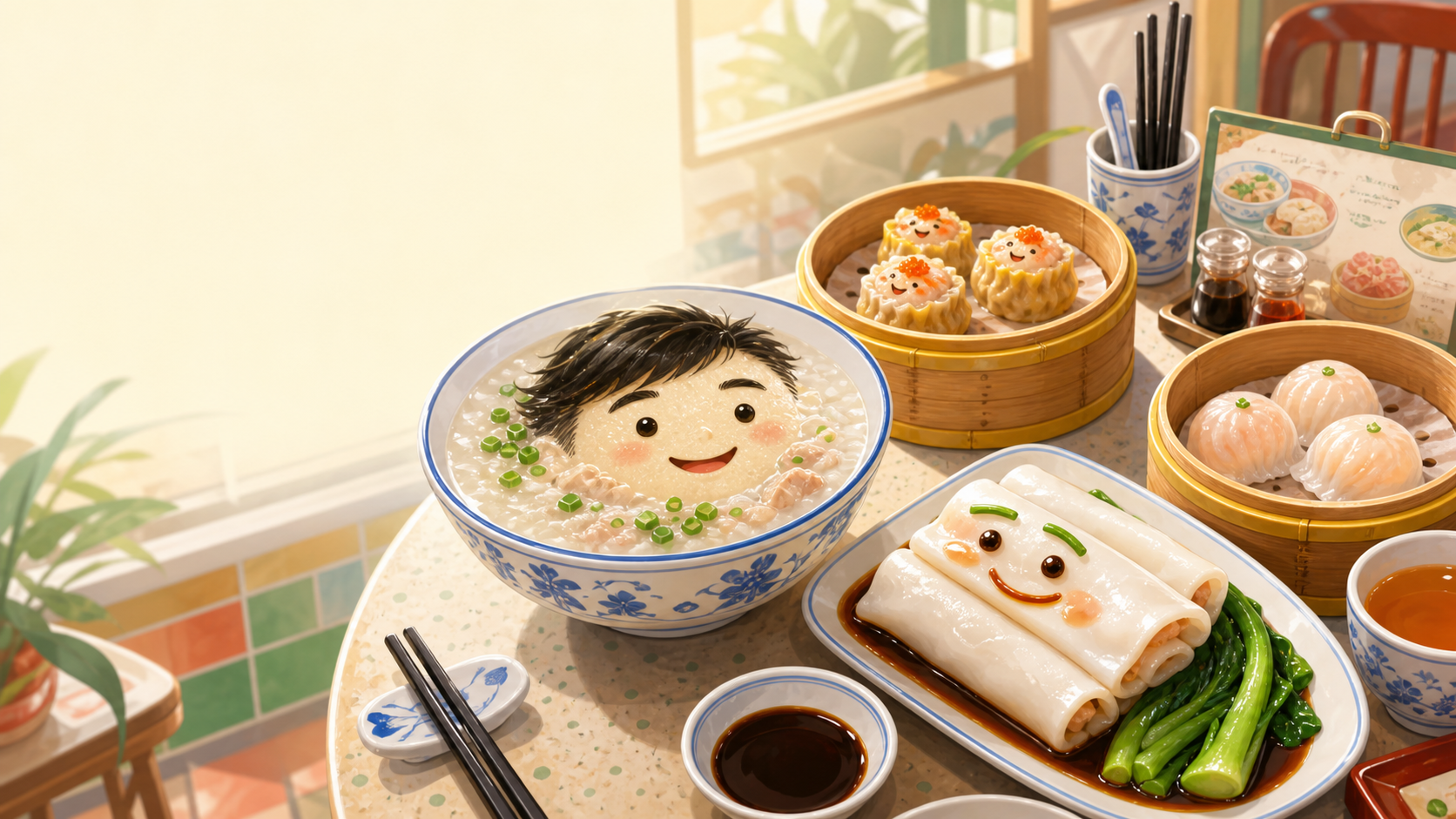
Cantonese Food Nicknames That Sound Like People
In Cantonese, some everyday food names and restaurant nicknames have a little extra personality. This is especially true in Hong Kong-style restaurant culture, where servers and regular customers often use quick shorthand that sounds like a secret code.
A playful example is 靚仔 (leng3 zai2). In everyday Cantonese, it means "handsome boy." But in Hong Kong-style restaurant slang, it can mean plain rice. Its partner term 靚女 (leng3 neoi5), or "pretty girl," can mean plain congee. Imagine a child hearing, "One handsome boy and one pretty girl," and then rice and congee arrive at the table!
The Hong Kong-Style Restaurant Secret Code
A quick visual guide to the playful restaurant shorthand kids can spot, repeat, and ask family members about.
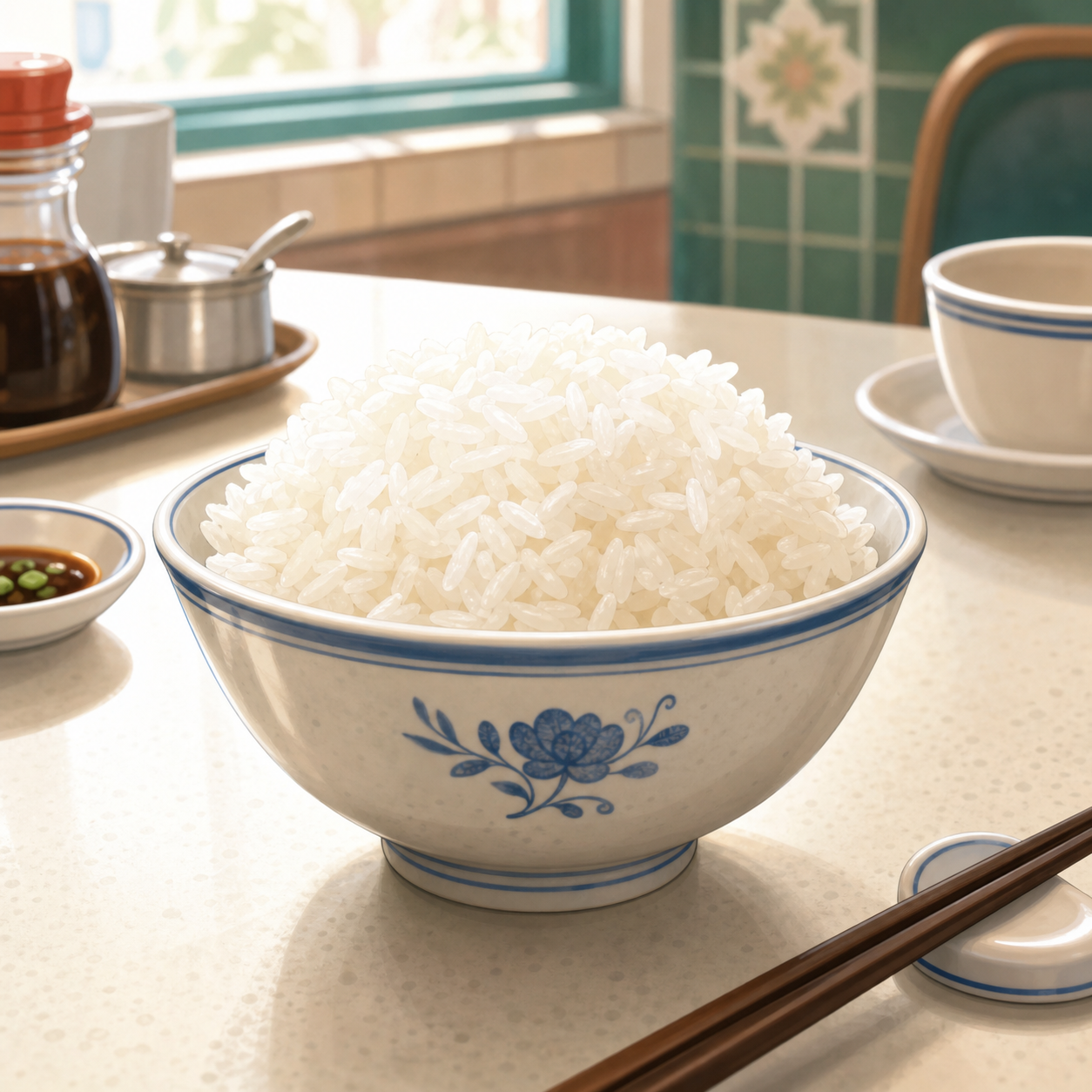
靚仔
RiceLiterally "handsome boy." In restaurant shorthand, it can mean plain rice.
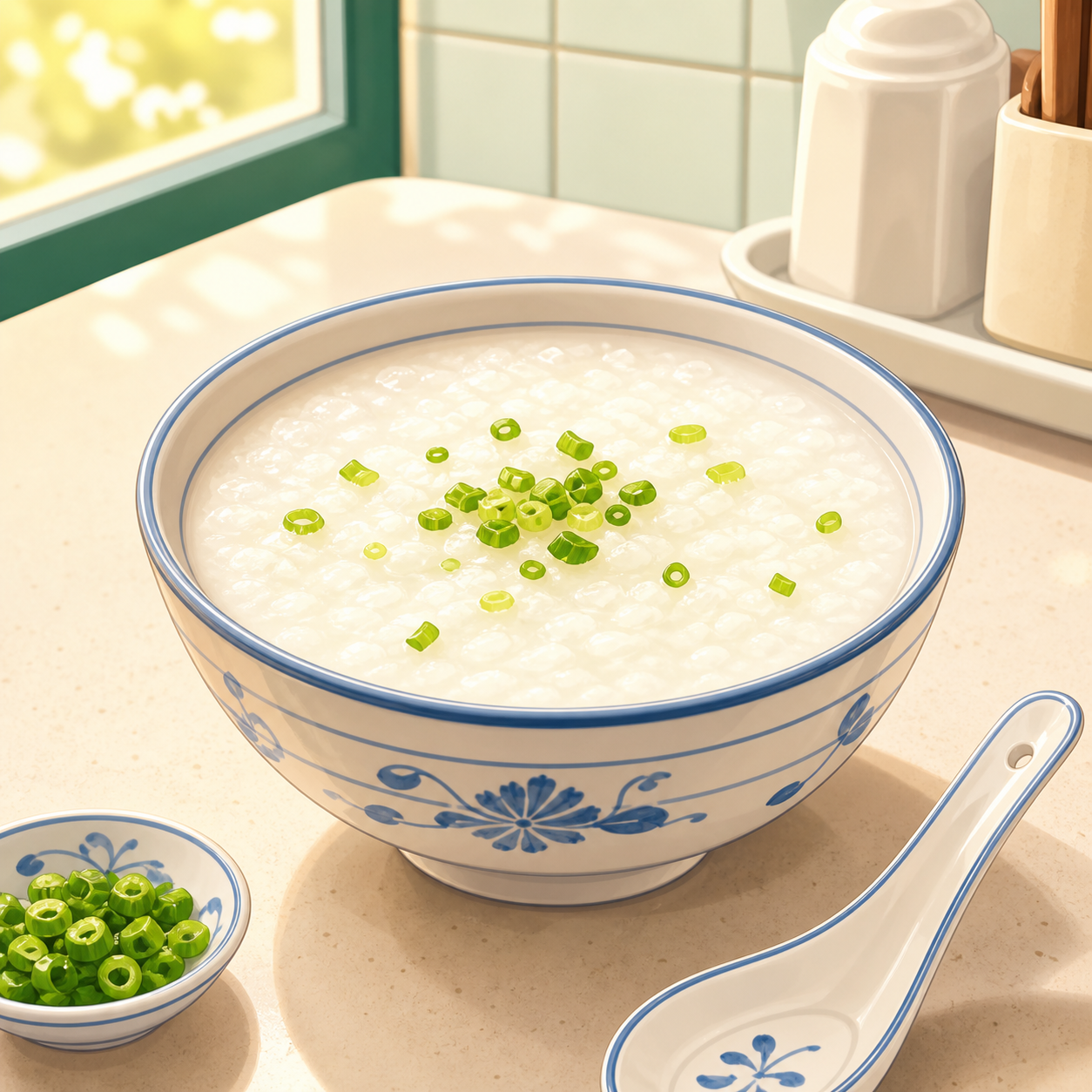
靚女
CongeeLiterally "pretty girl." In some Hong Kong-style restaurant contexts, it can mean plain congee.
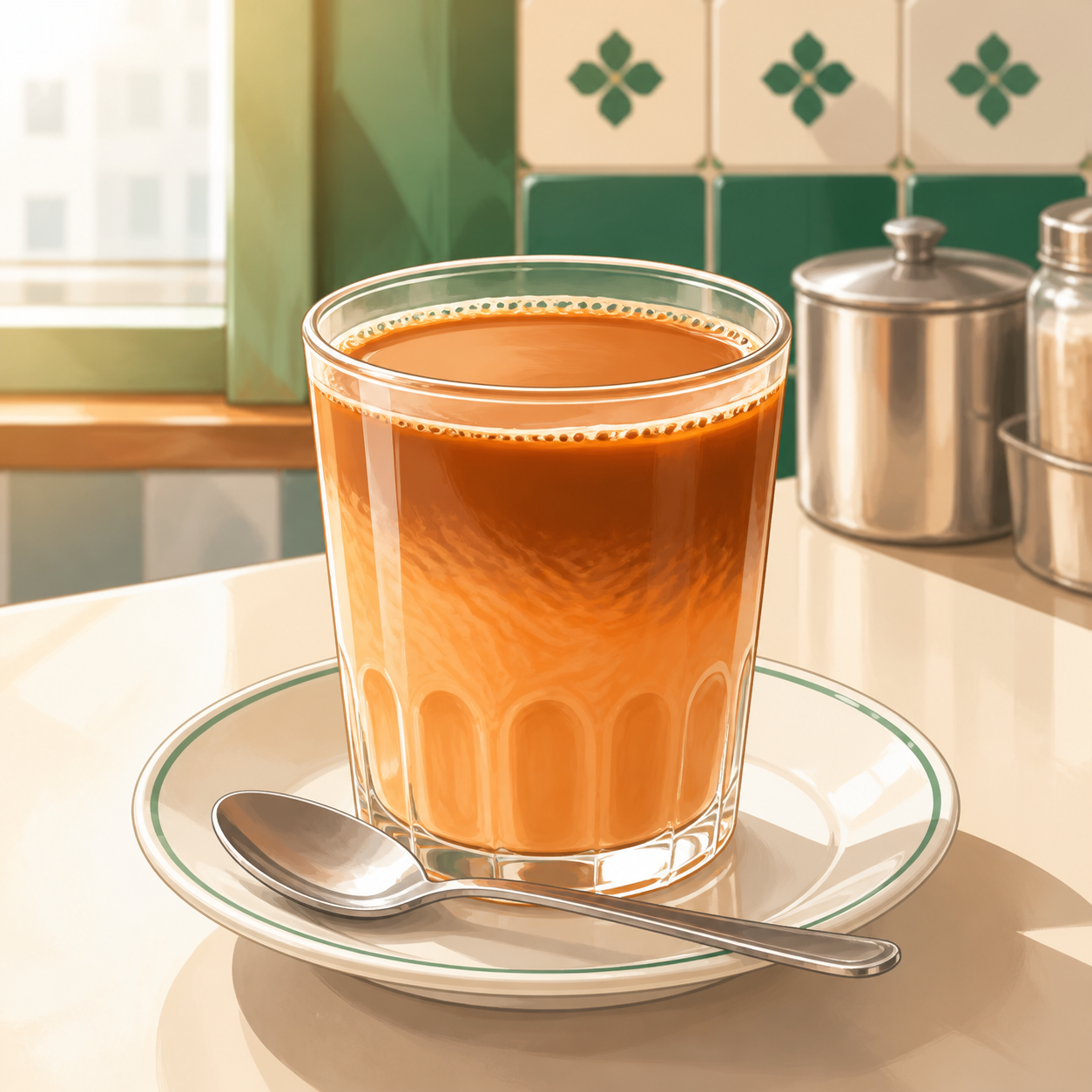
鴛鴦
Milk Tea + CoffeeA cafe drink made by mixing milk tea and coffee, named after paired mandarin ducks.
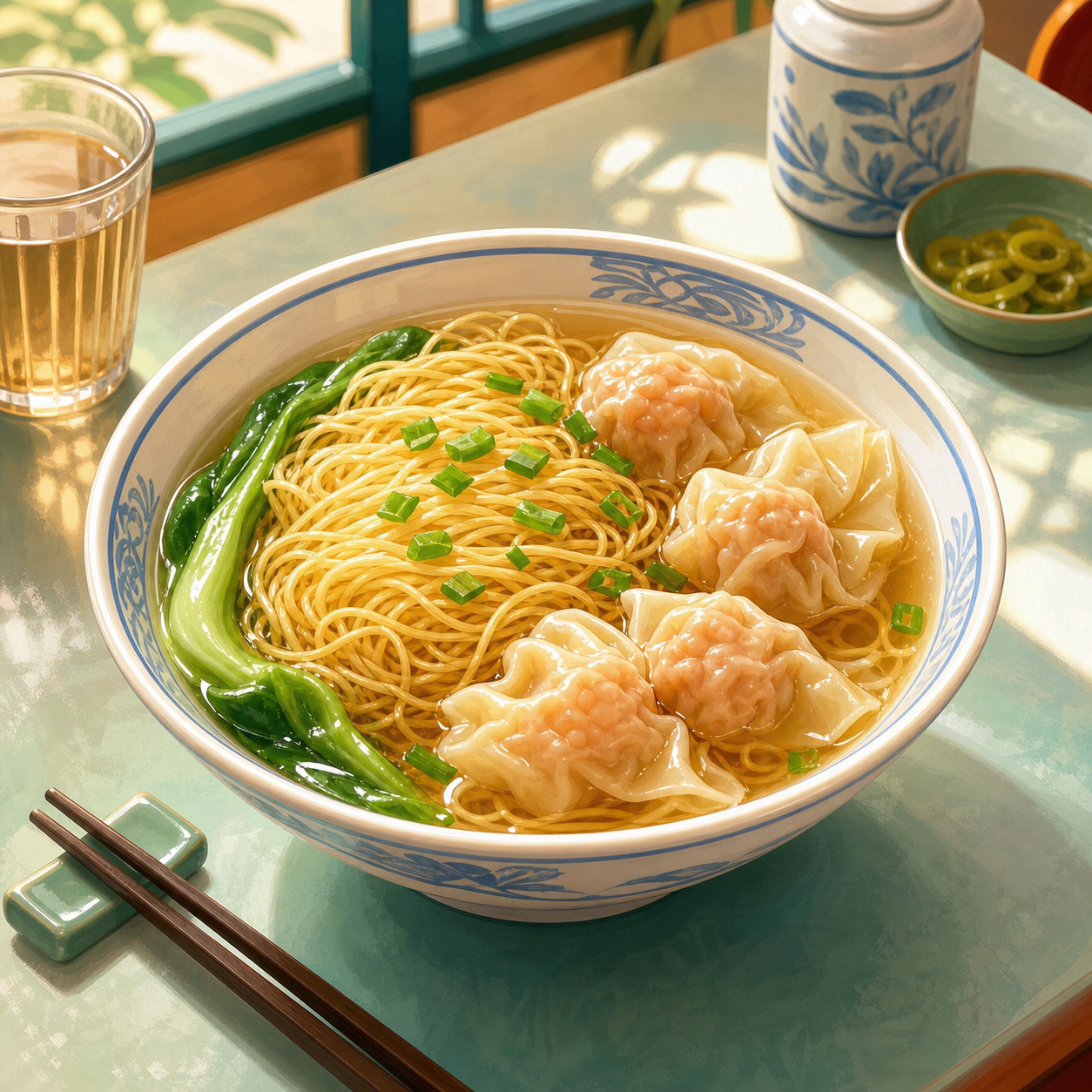
細蓉
Wonton NoodlesA classic shorthand often used for wonton noodles, and a great example of local food language.
Why Food Nicknames Work So Well
Mini Story
A child might forget a plain word list, but they are much more likely to remember the day rice became a "handsome boy" and congee became a "pretty girl." The silliness gives the words a hook.
Playful Sound
Cantonese is rich with tones, rhythm, slang, and quick jokes. Food nicknames help kids hear the language as something alive, not just something to memorize.
Family Stories
Parents and grandparents often know different restaurant phrases from Hong Kong, Guangzhou, Vancouver, Toronto, or their own family kitchen. A food nickname can become a conversation across generations.
Make It a Family Game
The next time your family has rice, congee, wonton noodles, rice rolls, or dim sum, invite your child to become a Cantonese food detective. Ask:
What is the real name?
Say the food name slowly and let your child repeat the tones.
Does it have a nickname?
Ask an older relative or restaurant server if there is a fun local phrase.
What does it sound like?
Listen for words that sound like people, actions, lucky meanings, or jokes.
Can we invent one?
Let your child create a silly Cantonese-inspired nickname for dinner.
Try this at home!
Turn one meal into a tiny Cantonese lesson. Choose three dishes, say each name out loud, and let your child rate each one:
😂 Funniest Sound
Which food name makes everyone laugh when they say it?
🏆 Best Nickname
Which dish deserves a person-like nickname: Mr. Noodle, Pretty Rice Roll, or Handsome Congee?
Written by KABE Learning team
We write articles to share the beauty of Chinese language and culture with global heritage families. Connect with us on social media for daily tips, quizzes, and language facts!
Want Cantonese lessons that feel connected to real family life?
At KABE Learning, we use stories, food, games, and everyday conversation to help children build confidence in Cantonese and Mandarin.